The Patent That Time Forgot
In 2019, while sorting through his late grandfather's papers, David Zimmerman made a discovery that should have been impossible. Among Harold Zimmerman's documents were two U.S. patents — granted forty years apart — for essentially the same invention.
 Photo: David Zimmerman, via render.fineartamerica.com
 Photo: Harold Zimmerman, via d3eguztg5751m.cloudfront.net
Patent #2,421,847, filed in 1947, described a "spring-loaded fastening mechanism for removable panels." Patent #4,687,392, filed in 1987, described a "tension-release connector for detachable structural elements." Different words, identical function, same inventor.
The U.S. Patent and Trademark Office had somehow granted Harold Zimmerman legal ownership of his own invention twice.
A Life in Two Acts
Harold Zimmerman's story reads like two separate engineering careers accidentally lived by the same person.
In 1946, fresh out of the Navy, Zimmerman was working for a small manufacturing firm in Peoria, Illinois. He developed a clever spring mechanism that allowed heavy panels to be easily attached and removed from industrial equipment. The patent was approved in 1947, and Zimmerman sold the rights to his employer for $500 — good money at the time.
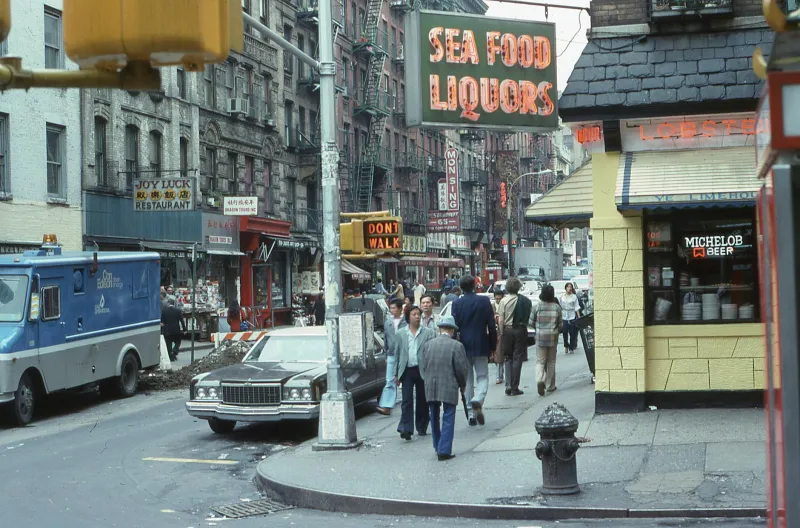
 Photo: Peoria, Illinois, via www.shutterstock.com
The invention never went anywhere. Post-war manufacturing was booming, but Zimmerman's fastener was ahead of its time. Industrial equipment was still built to last forever, not to be easily serviced. The patent gathered dust in corporate files.
Zimmerman moved on, eventually becoming a high school shop teacher. For forty years, he taught metalworking to teenagers and forgot about his brief career as an inventor.
The Second Coming
Then, in 1985, everything changed. Zimmerman's son-in-law was struggling with a maintenance nightmare at his electronics manufacturing plant. Circuit boards needed frequent replacement, but the heavy protective panels were bolted down with dozens of screws. Each repair took hours of tedious unfastening.
Zimmerman, now 67 and recently retired, visited the plant and had a flash of inspiration. He could design a spring-loaded mechanism that would hold the panels securely but release with a simple twist.
He spent months in his garage workshop, crafting prototypes and refining the mechanism. When he was satisfied, he filed for a patent, describing his "tension-release connector for detachable structural elements."
The USPTO approved it in 1987.
The Memory Gap
How did Zimmerman forget he'd already invented the same thing?
The answer lies in the profound changes that had reshaped his life between 1947 and 1987. The young Navy veteran who filed the first patent was a different person from the retired teacher who filed the second.
In between, Zimmerman had raised three children, changed careers, moved twice, and survived a mild stroke in 1979 that affected his short-term memory. The original patent had been filed under his full name, Harold Eugene Zimmerman, while the second used Harold E. Zimmerman — the name he'd adopted professionally after becoming a teacher.
More importantly, the problem he was solving felt completely different forty years later. In 1947, he was designing for heavy industrial machinery. In 1987, he was solving a specific electronics manufacturing challenge. The underlying mechanism was identical, but the context had changed so dramatically that Zimmerman genuinely didn't recognize his own earlier work.
The USPTO's Blind Spot
How did the Patent Office miss the duplication?
In 1987, the USPTO's search capabilities were still largely manual. Patent examiners used card catalogs and printed indices to search for "prior art" — existing inventions that might conflict with new applications. The system worked reasonably well for major categories but struggled with subtle variations in terminology.
Zimmerman's 1947 patent was filed under "Fastening Devices - Industrial." His 1987 patent was filed under "Electronics Manufacturing - Components." Different categories, different examiner, different search terms.
The 1947 patent described the mechanism using mechanical engineering terminology from the 1940s. The 1987 patent used modern manufacturing language. A human examiner scanning thousands of patents wouldn't necessarily connect "spring-loaded fastening mechanism" with "tension-release connector," especially when they appeared in different industrial contexts.
The USPTO's computer systems, introduced in the early 1980s, made things worse. The database included patents from 1976 forward, but older patents were only added if they were specifically referenced in new applications. Zimmerman's 1947 patent remained invisible to electronic searches.
The Business That Never Knew
Zimmerman built a modest business around his "new" invention. His son-in-law's electronics plant became his first customer, and word spread through the industry. By the time he died in 2018, Zimmerman Industries was generating about $200,000 annually in licensing fees from companies using his patented connector.
The irony was perfect: Zimmerman had spent thirty years collecting royalties on an invention he'd already sold in 1947 for $500.
Nobody questioned the patent's validity because nobody knew to look for the earlier version. The electronics industry treated it as a novel solution to a modern problem, not realizing they were licensing a design that had been gathering dust in corporate files since the Truman administration.
The Discovery
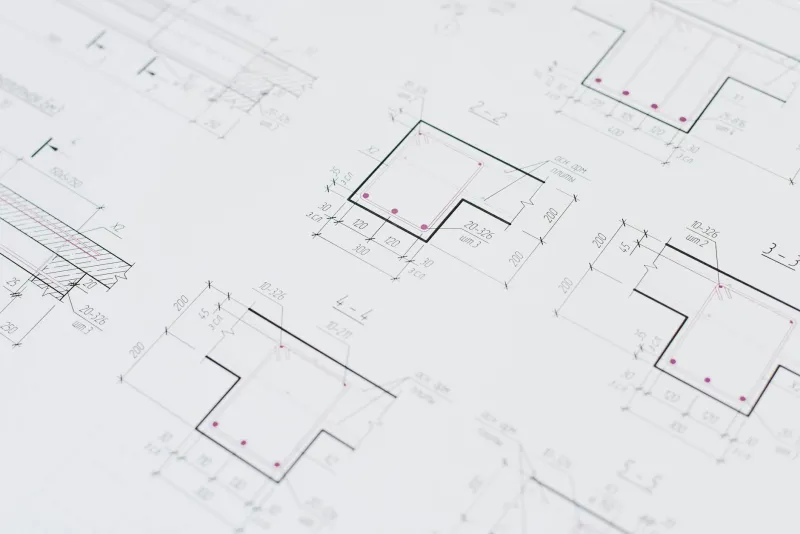
David Zimmerman found both patents while digitizing his grandfather's papers for the family archive. He was scanning documents chronologically when he noticed the similarities in the technical drawings.
"At first I thought maybe Grandpa had improved his original design," David recalls. "But when I read the descriptions, they were functionally identical. Same spring mechanism, same release action, same everything."
A patent attorney confirmed the impossible: Harold Zimmerman had been granted two patents for the same invention, forty years apart, by the same government office.
The Legal Aftermath
The discovery created a unique legal situation. Both patents were valid under the law as written, but they clearly conflicted with the USPTO's own rules against duplicate patents. The 1987 patent should have been rejected based on the 1947 "prior art" — except the prior art was created by the same inventor.
The USPTO reviewed the case and concluded that both patents were "legally granted under the examination standards applicable at the time of filing." They declined to invalidate either patent, essentially admitting that their system had failed but refusing to fix it retroactively.
Zimmerman Industries continues to operate under the 1987 patent, which doesn't expire until 2024. The 1947 patent expired in 1964, making it irrelevant for current business purposes.
But the case highlighted a fundamental problem with the patent system: institutional memory. In an age where innovation happens faster than ever, the USPTO still struggles to maintain comprehensive records of what has already been invented.
Harold Zimmerman proved that sometimes the most innovative thing you can do is forget you've already done it before.