When Democracy Died but Nobody Told the Voters — Missouri's Posthumous Mayor
The Candidate Who Couldn't Campaign
In the fall of 1990, the sleepy town of Tracy, Missouri, faced what seemed like a routine municipal election. Two candidates were running for mayor: incumbent Harold Stassen and challenger Robert "Bobby" Tuttle, a local hardware store owner who'd been promising to fix the town's pothole problem for months.
 Photo: Robert "Bobby" Tuttle, via miro.medium.com
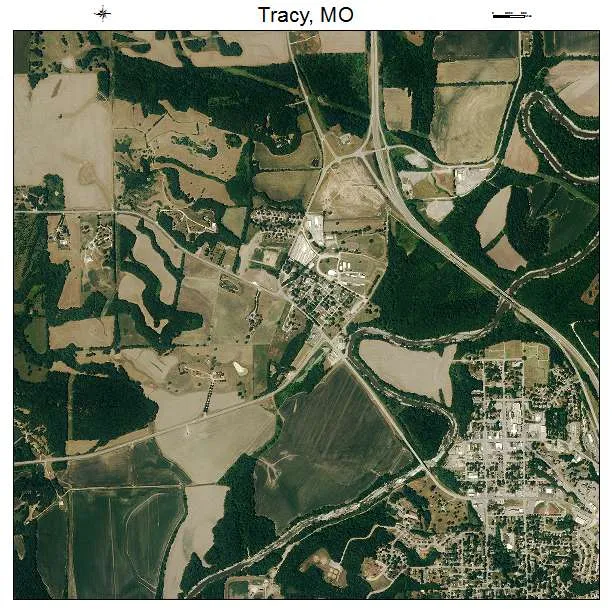 Photo: Tracy, Missouri, via www.landsat.com
Then, three weeks before election day, Bobby Tuttle suffered a massive heart attack and died.
Under normal circumstances, this would have ended his political career. But Missouri election law in 1990 had a peculiar gap: while it specified procedures for removing candidates who withdrew or were disqualified, it said nothing about what to do when a candidate simply ceased to exist.
The Ballot That Couldn't Be Changed
Election officials faced an immediate problem. The ballots were already printed, absentee votes had been cast, and state law provided no mechanism for posthumous candidate removal. Legal advisors told the county clerk that changing the ballots at this point would violate election statutes.
So Bobby Tuttle's name stayed on the ballot.
What happened next defied every prediction. On election day, voters didn't just reluctantly choose between the living incumbent and the deceased challenger — they enthusiastically elected the dead man by a margin of 287 to 123.
The Victory Speech That Never Came
Local newspapers struggled to explain the landslide. Some voters told reporters they'd cast their ballots for Tuttle before learning of his death. Others admitted they knew he was deceased but voted for him anyway as a protest against the incumbent's handling of municipal services.
"Bobby promised to fix our roads," one voter told the Tracy Tribune. "Death don't change a promise."
The victory party at Tuttle's campaign headquarters was notably subdued.
The Constitutional Crisis Nobody Planned For
Tuttle's unexpected victory created an unprecedented legal situation. Missouri's constitution required the mayor-elect to take an oath of office, but it didn't specify whether the oath-taker needed to be breathing. The state attorney general's office found no precedent for posthumous municipal governance.
Meanwhile, Tracy's city council faced practical problems. Who would run council meetings? Who could sign municipal contracts? Could a dead person legally hold public office, and if so, how would they exercise their duties?
The incumbent mayor, Harold Stassen, initially refused to step down, arguing that a dead person couldn't legally defeat a living one. Tuttle's family, still grieving, found themselves thrust into a bizarre political dispute they never wanted.
The Bureaucratic Labyrinth
State officials scrambled to find a solution. The Secretary of State's office suggested the city council could appoint a replacement, but Tracy's municipal charter required the mayor to be elected, not appointed. The state legislature considered emergency legislation to clarify posthumous candidate procedures, but the session wouldn't reconvene until January.
Legal scholars weighed in with conflicting opinions. Some argued that death automatically disqualified Tuttle, making Stassen the winner by default. Others contended that voters had the right to elect whomever they chose, regardless of that person's metabolic status.
The Missouri Supreme Court declined to hear the case, calling it "a local matter for local resolution."
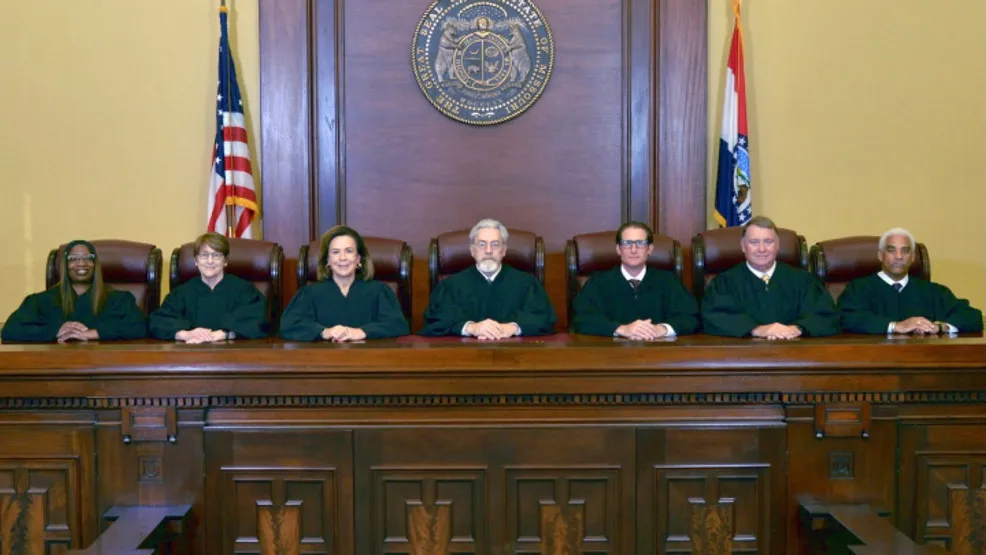 Photo: Missouri Supreme Court, via krcgtv.com
The Solution That Satisfied Nobody
After three months of legal wrangling, Tracy's city attorney discovered an obscure provision in the municipal charter allowing for special elections in cases of "extraordinary circumstances." The city council voted to declare Tuttle's death an extraordinary circumstance and scheduled a new election for March 1991.
But here's where the story gets stranger: many residents opposed the special election, arguing that voters had spoken clearly in November. A petition drive collected enough signatures to put the special election itself up for a vote.
Tracy voters were now being asked to vote on whether they wanted to vote again.
The Election to End All Elections
The March referendum on holding a special mayoral election passed by just twelve votes. The subsequent special election, held in April, saw Harold Stassen finally claim the mayor's office — nearly six months after losing to a dead man.
Tuttle's posthumous political career lasted 127 days, making him one of the shortest-serving mayors in Missouri history, despite never actually serving.
The Legacy of the Undead Mayor
Tracy's electoral crisis prompted Missouri to revise its election laws, clearly stating that candidate death automatically removes them from consideration. Similar provisions were quietly added to municipal charters across the state.
Bobby Tuttle's gravestone, installed in 1991, bears an unusual inscription chosen by his family: "Mayor-Elect, 1990-1991." It's believed to be the only tombstone in America that lists an elected office the deceased never actually held.
The hardware store Tuttle owned remained in business until 2003. According to local legend, the potholes he'd promised to fix during his brief campaign were finally repaired in 1995 — four years after his electoral victory and five years after his death.
Sometimes democracy works in mysterious ways, even when the winner isn't around to see it.