The River That Hired a Legal Team and Started Billing the Government
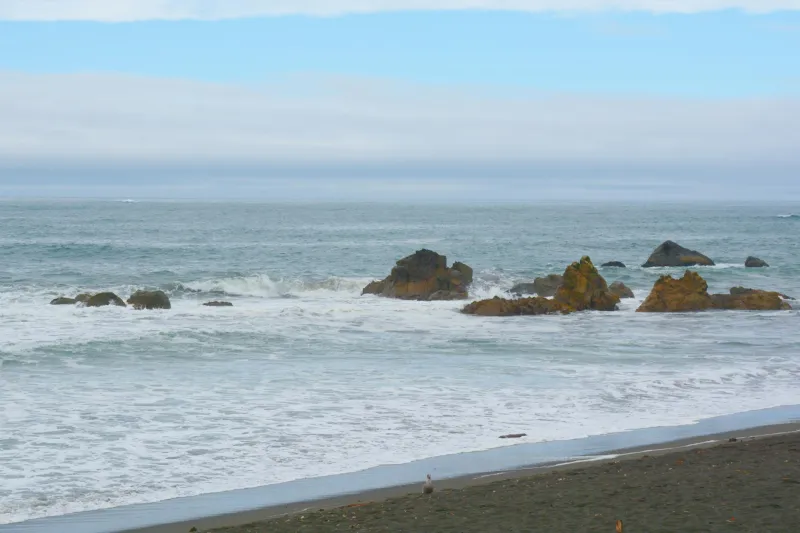
When Water Gets Lawyered Up
Imagine opening your government email to find a legal notice from a river. Not about a river, not concerning a river — from the river itself, complete with letterhead and a law firm's signature. This isn't the setup for a satirical sketch about environmental bureaucracy. This actually happened to multiple federal agencies in 2019, and the legal headaches are still flowing downstream.
The Klamath River, stretching 263 miles from southern Oregon through Northern California, became the first waterway in the United States to achieve what legal scholars call "rights of nature" status. But unlike similar symbolic gestures elsewhere, this river didn't just get a ceremonial title — it got an actual legal team and started acting like it.
The Day a River Became a Person
The transformation began when the Yurok Tribe, whose reservation spans both sides of the lower Klamath River, passed an ordinance in May 2019 granting the river the same legal rights as a human being. The tribal council didn't just make a philosophical statement about environmental stewardship. They created what amounts to a corporate entity that happens to be made of water.
Under the ordinance, the river gained the right to exist, flourish, regenerate, and naturally evolve. More practically, it gained the right to legal representation, the ability to bring lawsuits, and — this is where things got weird for government agencies — the right to have its interests represented in any decision affecting its wellbeing.
Within months, the river had retained environmental law firm Earthjustice as its primary counsel. Suddenly, what had been routine permit applications and environmental assessments became three-party negotiations between federal agencies, local stakeholders, and a literal river with its own legal team.
Bureaucratic Paralysis Meets Flowing Water
The first major test came when the Bureau of Reclamation needed to adjust water releases from Iron Gate Dam. What should have been a standard operational decision turned into a months-long legal odyssey. The river's lawyers demanded the waterway be treated as a stakeholder in the process, with the right to review proposals, submit counter-proposals, and even veto decisions that might harm its "physical and spiritual integrity."
Federal attorneys found themselves in the surreal position of arguing that you can't negotiate with a river because rivers don't have standing in federal court. The river's legal team countered that under tribal sovereignty, the river absolutely had standing on tribal lands, and since the Klamath flows through tribal territory, federal agencies had to recognize its personhood.
The situation reached peak absurdity when the river began submitting itemized bills to various government agencies for environmental damages dating back decades. One invoice, sent to the Environmental Protection Agency, included charges for "pain and suffering from algae blooms," "loss of salmon habitat rental income," and "psychological trauma from being dammed against will."
The Salmon Lawsuit That Broke Legal Precedent
Things escalated in 2020 when the river filed its first major lawsuit — against the very agencies that were still arguing it didn't exist as a legal entity. The Klamath River v. United States Bureau of Reclamation became a legal paradox: federal judges had to decide whether they had jurisdiction to hear a case filed by a plaintiff whose legal existence they weren't sure they recognized.
The river's complaint was straightforward enough: decades of dam operations had violated its rights by preventing salmon migration, altering natural flow patterns, and degrading water quality. What made headlines wasn't the environmental claims — those were standard fare for environmental law — but the procedural nightmare of a river cross-examining federal witnesses.
During depositions, Bureau of Reclamation officials found themselves being questioned by attorneys who would occasionally pause to "consult with their client" — which involved walking to the riverbank and literally listening to the water flow. Court transcripts show multiple instances where lawyers claimed the river had "expressed concerns" about specific testimony.
When Nature Gets a Government Contract
The legal complexity deepened when the river started winning. In 2021, a federal judge ruled that while the court couldn't recognize the river as a person under federal law, it had to respect the river's legal status under tribal law when dealing with matters on tribal lands. This created a jurisdictional maze where the same stretch of water could be a legal person on one bank and just water on the other.
The practical result was even stranger. Federal agencies began including the river as a formal party in environmental impact assessments. The Army Corps of Engineers started budgeting for "river consultation fees." The Forest Service began scheduling meetings with the river's representatives alongside traditional stakeholders.
By 2022, the river was receiving government payments. Not subsidies or environmental restoration funds, but actual consultation fees for participating in federal decision-making processes. The Klamath River became possibly the only body of water in American history to be on the federal payroll.
The Ripple Effect
Other waterways took notice. The Colorado River's advocacy groups began exploring similar legal strategies. Environmental lawyers started drafting personhood ordinances for everything from Lake Tahoe to the Chesapeake Bay. The legal precedent created by one tribal ordinance was threatening to transform every major waterway in America into a rights-bearing entity with its own legal team.
Federal agencies responded by creating an entirely new bureaucratic category: "Natural Entity Stakeholder Relations." The Department of the Interior now employs specialists whose job is to negotiate with rivers, mountains, and forests that have achieved legal personhood.
Still Flowing Through the Courts
Today, the Klamath River continues to participate in federal decision-making as a legal entity. It attends meetings through its representatives, submits written comments on proposed regulations, and maintains an active legal calendar. The river has its own email address, receives government correspondence, and files annual reports with tribal authorities.
The strangest part? It's working. Since gaining personhood, the Klamath has secured more environmental protections and restoration funding than decades of traditional advocacy achieved. The river's legal team has negotiated the removal of four major dams, the largest dam removal project in U.S. history.
So the next time you're filling out government paperwork and wondering if bureaucracy could get any more surreal, remember: somewhere in Northern California, a river is doing the same thing. And unlike you, it has lawyers on retainer.