For Three Decades, Shivering in Public Was Technically Against the Law in One Minnesota Town
Photo: Diliff, CC BY-SA 3.0, via Wikimedia Commons
Minnesota winters are not gentle. Anyone who has spent January in the upper Midwest knows that shivering isn't a choice — it's a biological reflex, the body's way of generating heat when the temperature drops below what a human being was reasonably designed to tolerate. It is, in other words, completely involuntary.
Which made it particularly awkward when residents of a small Minnesota town discovered, in 1994, that their city had technically been criminalizing the act of shivering in public since 1963.
This is not a story about malice or incompetence in any dramatic sense. It's a story about a city council that was trying to do something reasonable, drafted language that nobody read carefully enough, and created one of the more absurd entries in the history of American municipal law.
The Ordinance That Started It All
In the summer of 1963, the city council of Ortonville, Minnesota — a small community of a few thousand residents near the South Dakota border — decided to take action on what they described as a growing problem with public intoxication. The issue wasn't unusual for small towns of that era; weekend disturbances near local bars had prompted complaints, and the council wanted enforceable language on the books.
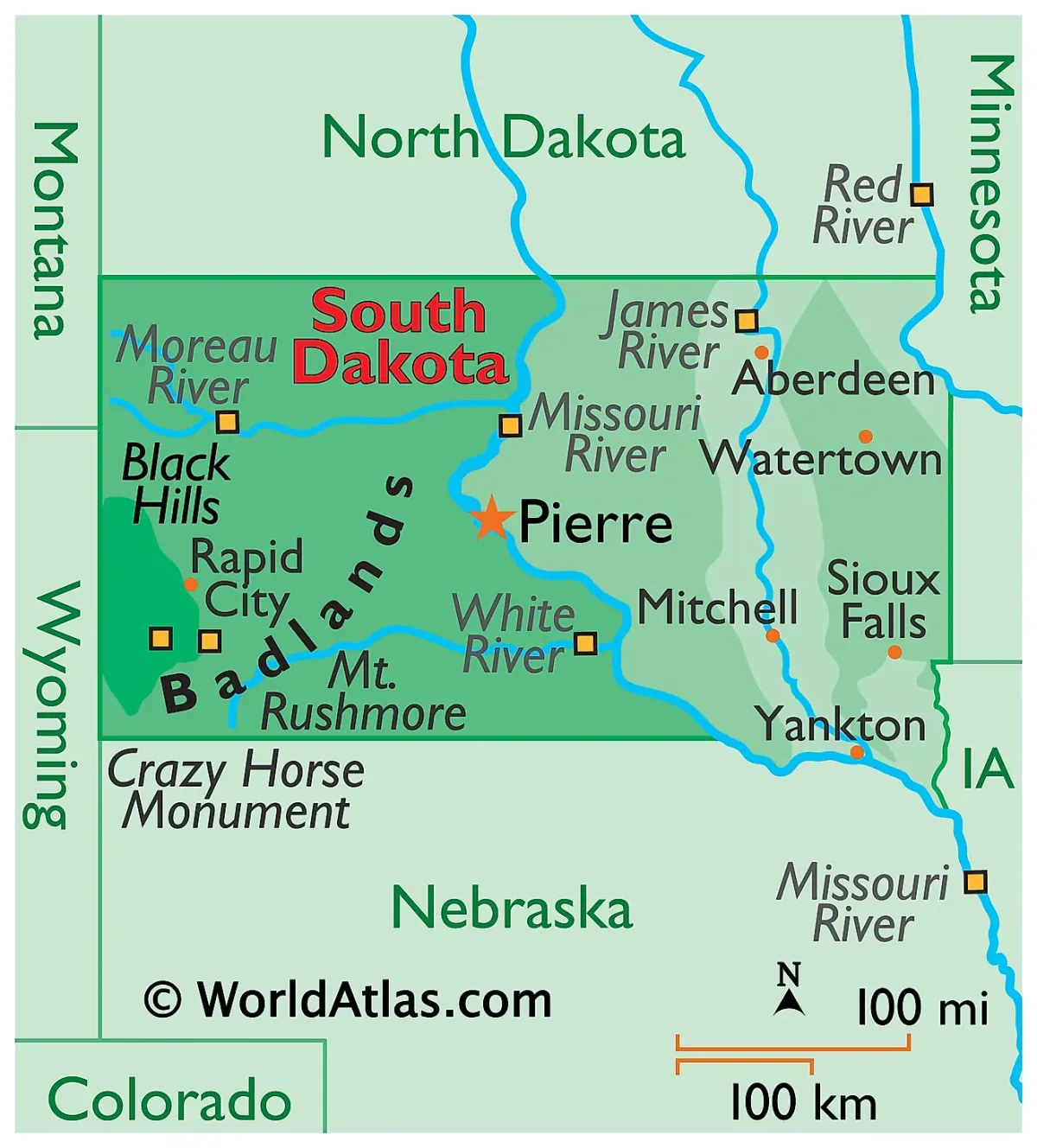 Photo: South Dakota, via www.worldatlas.com
 Photo: Ortonville, Minnesota, via pics4.city-data.com
They commissioned a draft ordinance. The exact chain of who wrote what and who reviewed it has blurred across six decades, but the document that emerged attempted to prohibit "any person from displaying visible signs of physical incapacity or involuntary physical reaction in a public space in a manner likely to cause alarm or discomfort to others."
The intent was obvious: they wanted to stop visibly drunk people from stumbling around town. The language, however, was something else entirely.
"Involuntary physical reaction" covers a remarkable amount of human behavior. Sneezing. Coughing. Flinching. And — critically, given the geography — shivering.
The council voted to adopt it. Nobody flagged the wording. It became law.
Thirty-One Years of Quiet Absurdity
For most of its time on the books, the ordinance did what most poorly written local laws do: nothing. It was rarely invoked, largely because the town's law enforcement had no particular interest in citing people for shivering, and because nobody had read the ordinance closely enough to realize they could.
But it did surface a handful of times in the intervening decades, each instance stranger than the last.
In 1971, a minor dispute between a local bar owner and a city code officer referenced the ordinance in passing — the bar owner's lawyer apparently cited it as evidence that the town's public conduct standards were broadly written and therefore selectively enforceable. The argument didn't go anywhere, but the ordinance appeared in the record.
In 1983, a resident contesting a noise complaint brought up the cold-weather language during a city council meeting, mostly as a point of exasperated humor. Council members laughed it off. Nobody moved to repeal it.
Then, in 1989, a local attorney researching a separate municipal matter came across the ordinance and wrote a short memo noting that it appeared, on its face, to criminalize shivering. The memo circulated briefly among city staff, generated some amusement, and was filed away. Still no repeal.
The Discovery That Finally Forced the Issue
What actually brought the ordinance to public attention in 1994 was a routine review of city codes conducted by a newly hired municipal administrator who had been tasked with modernizing Ortonville's legal documentation. She flagged the 1963 ordinance immediately.
Once local media picked it up, the story spread quickly — first through regional Minnesota papers, then to a few national outlets that ran it as a quirky filler item. The headline practically wrote itself: Minnesota Town Has Law Against Being Cold.
The city council scheduled a meeting to repeal the ordinance. What they probably expected was a five-minute procedural vote. What they got was a two-hour town meeting.
A vocal contingent of residents — some genuinely principled, some clearly enjoying the spectacle — argued that repealing the ordinance without replacing it with properly drafted public intoxication language would leave the town without any enforceable standard for the behavior the 1963 council had originally intended to address. Others wanted an apology issued, or at least an acknowledgment that the city had technically had an unconstitutional law on the books for three decades. A few people showed up mostly to make jokes about being arrested for wearing insufficient coats.
The council ultimately repealed the 1963 ordinance and adopted a replacement that was, by all accounts, considerably more carefully worded. The meeting ran long. Feelings were had.
What It Says About the Laws We Never Read
Ortonville's accidental cold-weather ban is funny. It's also a genuine window into how local governance actually works — or sometimes doesn't.
City councils in small towns are typically made up of regular people with day jobs, limited legal staff, and full agendas. Ordinances get drafted, voted on, and filed. Nobody is reading the municipal code cover to cover every few years to check for logical errors. The system relies on someone eventually noticing, and sometimes "eventually" means three decades.
The 1963 council wasn't reckless. They were trying to solve a real problem with the tools available to them. They just happened to produce language that, read literally, made it a crime to be cold in public — in Minnesota, where being cold in public is a significant portion of the calendar year.
For 31 winters, every resident who stepped outside in January and instinctively hunched their shoulders against the wind was, technically, a lawbreaker.
Nobody was ever cited for it. But the law was real. It was right there in the books, waiting for someone to notice.